Business Capstone · Period D · 2025
Apple Business Strategy — Presentation
Slide deck on Apple's marketing, innovation, and finance

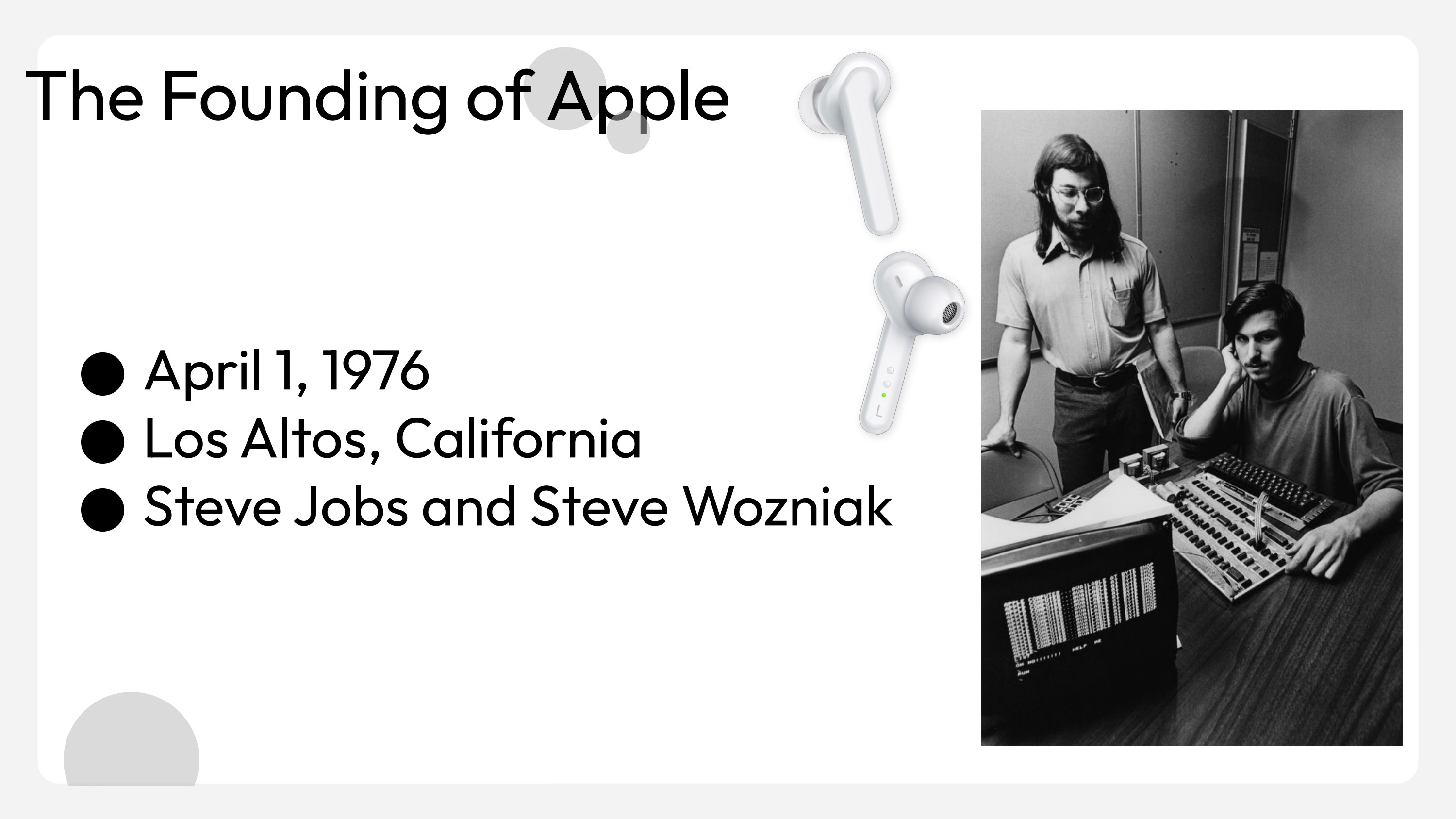
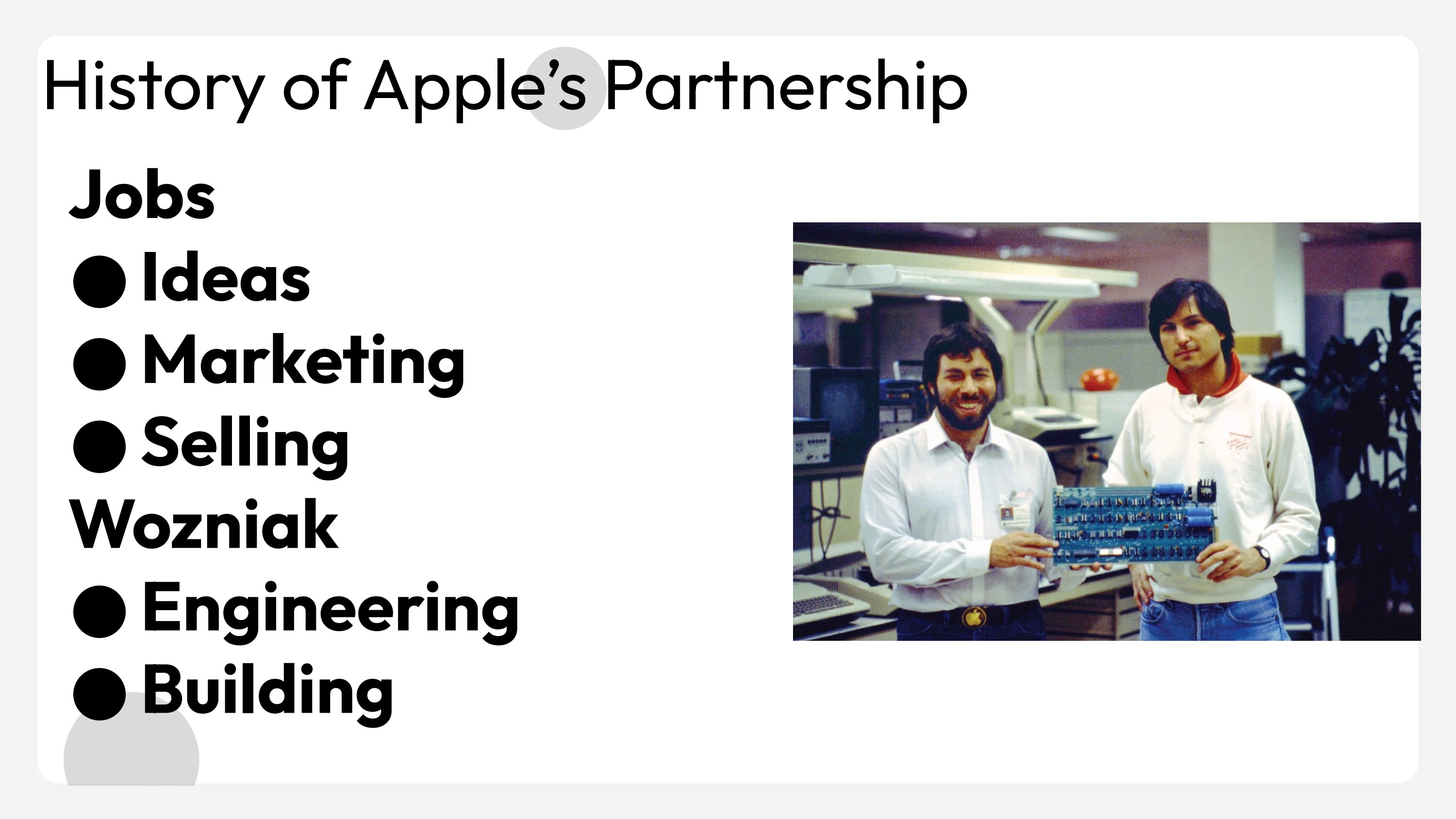
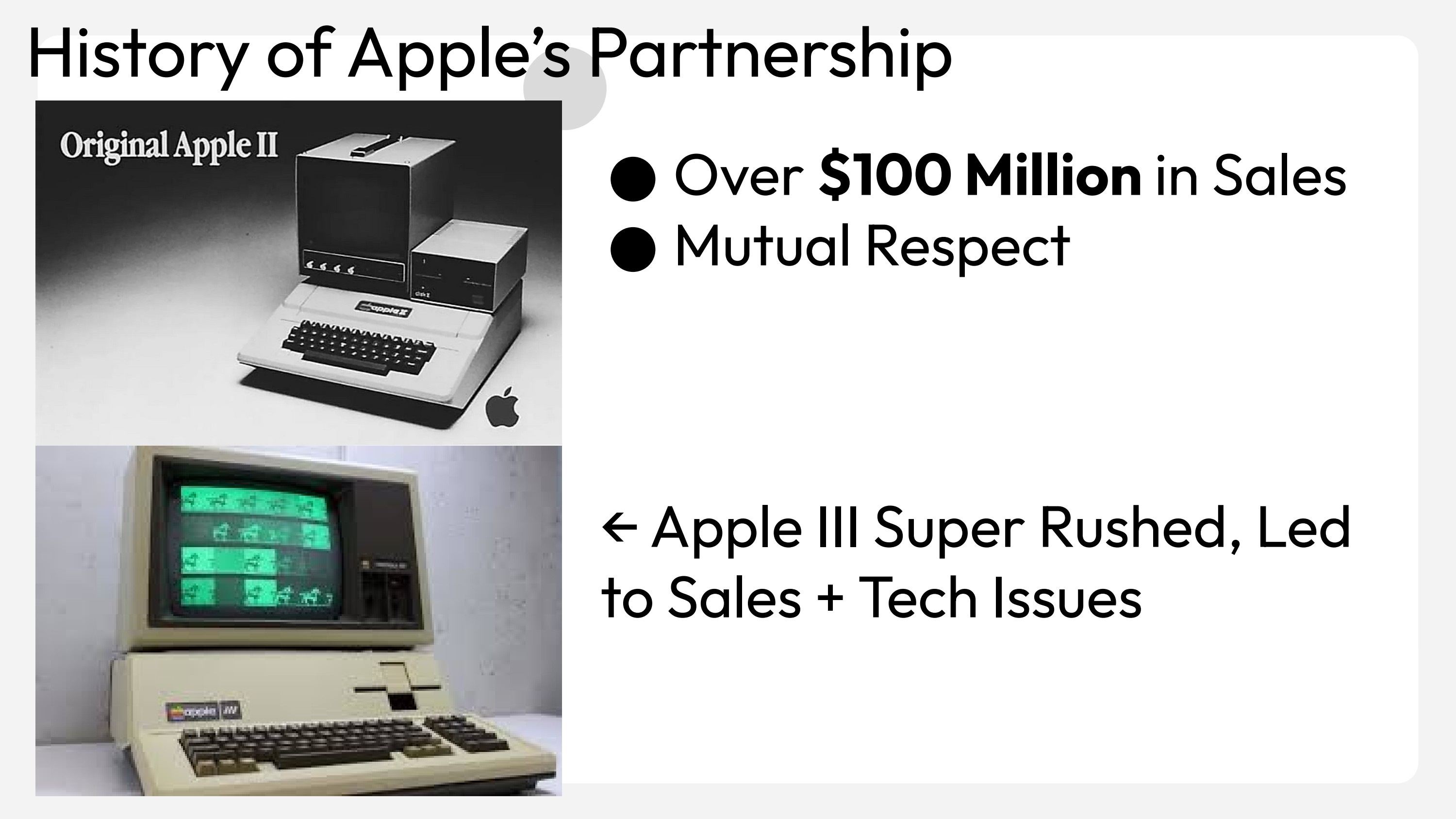
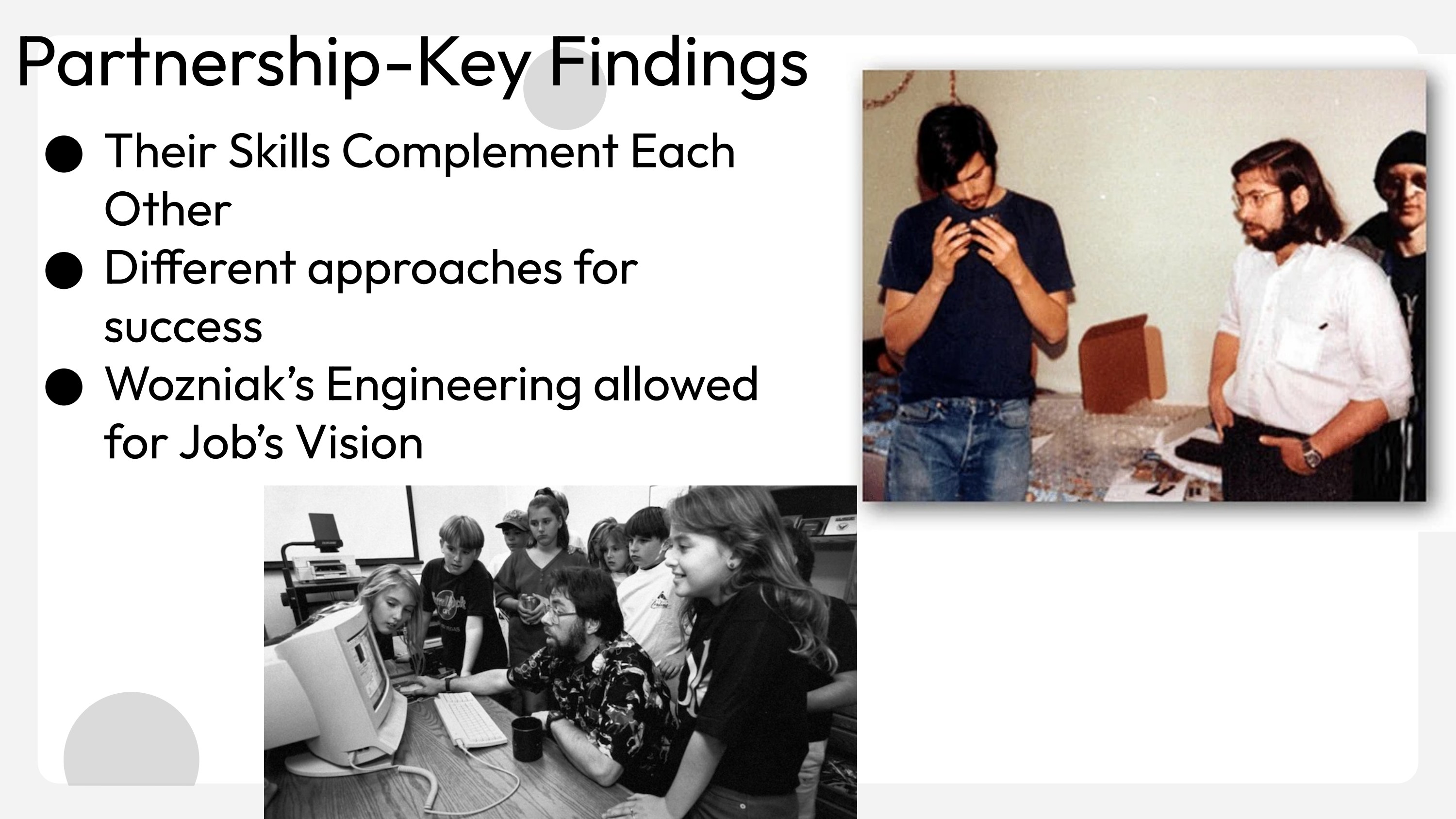
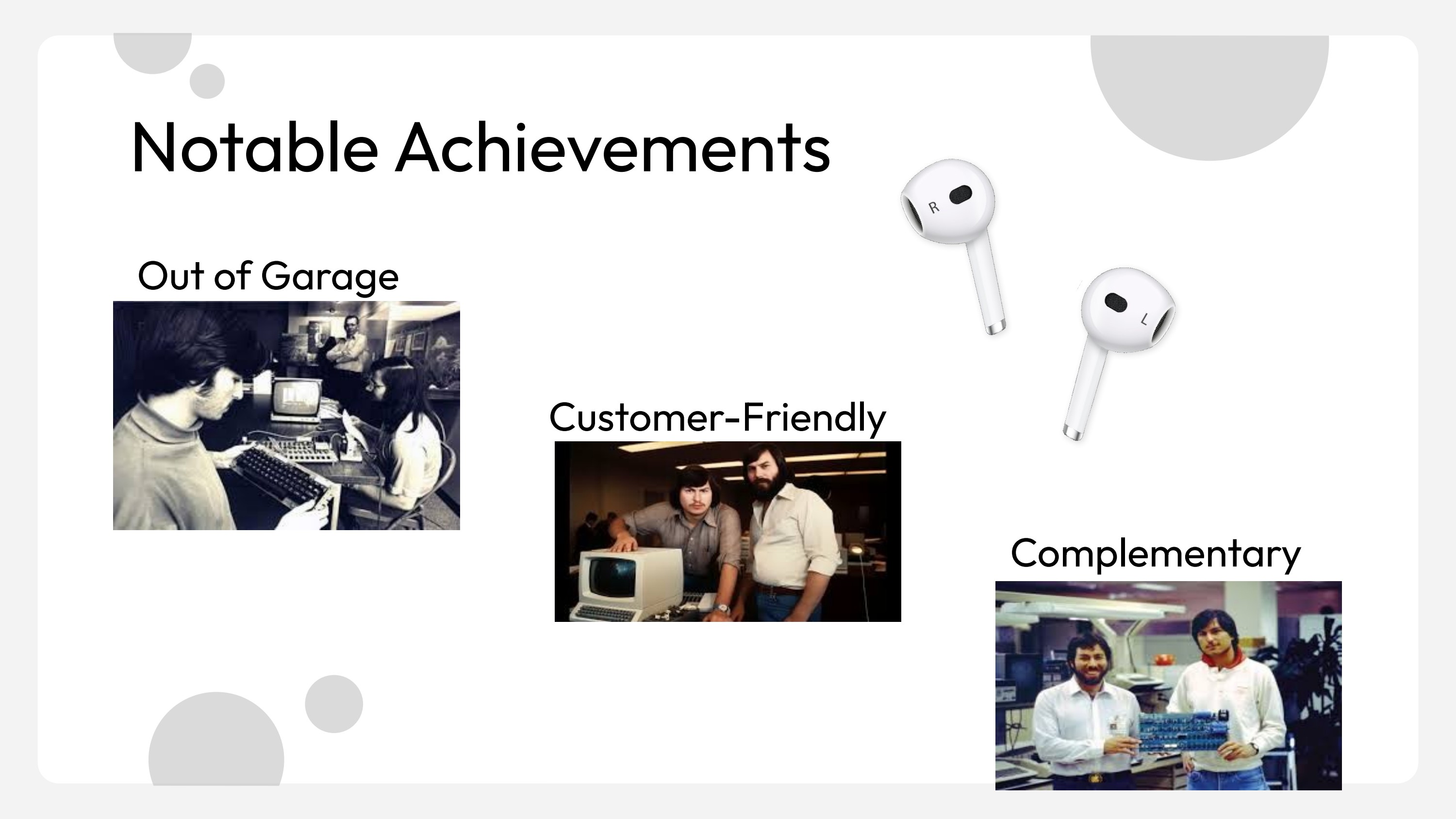

A 12-slide deck examining how Apple operates today, framed around three lenses: marketing, innovation, and finance. The story opens with the 1976 founding in Los Altos and the complementary partnership between Steve Jobs (vision, marketing, sales) and Steve Wozniak (engineering, building).
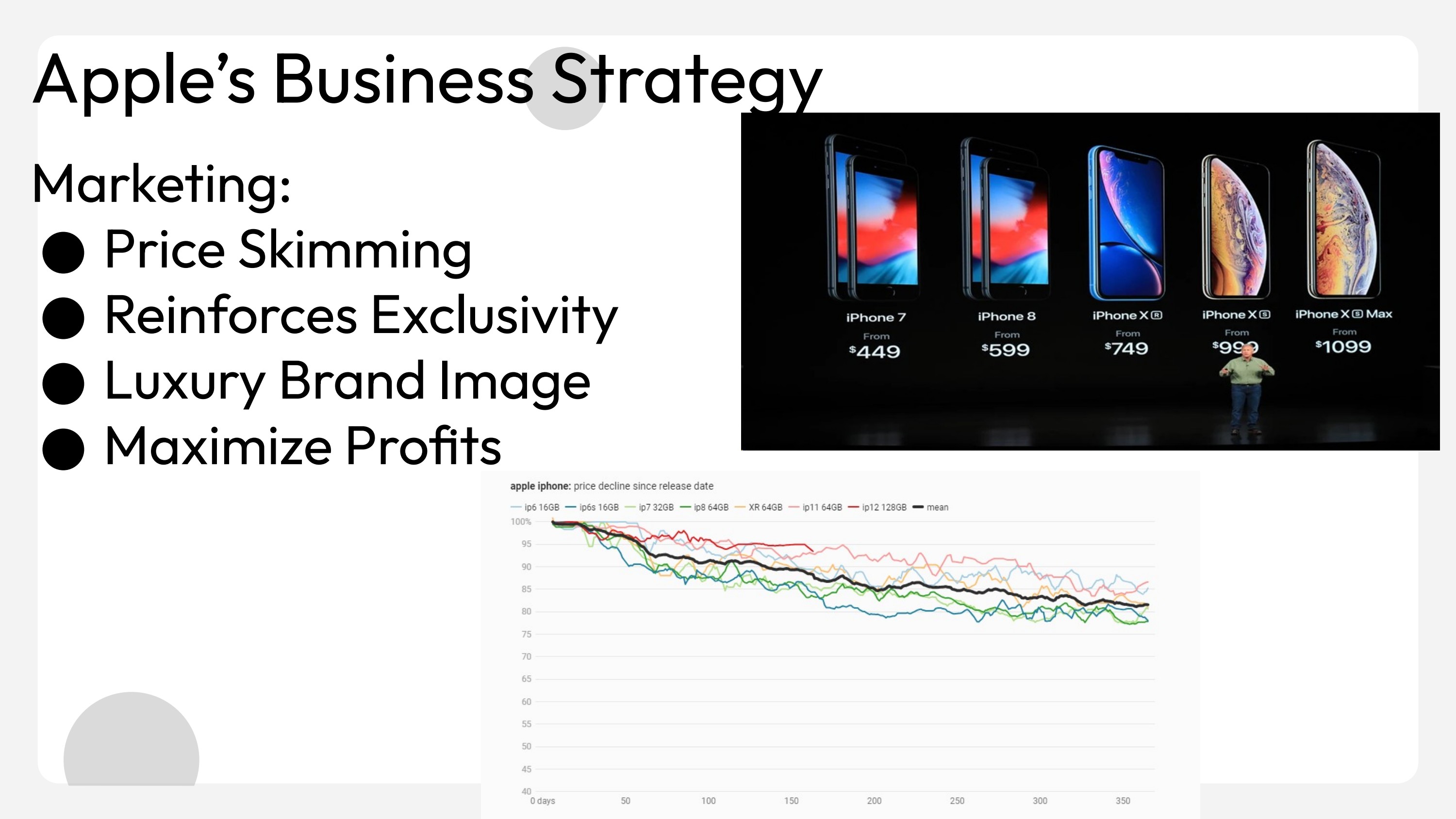
On marketing, the deck breaks down price skimming: launching at a premium to reinforce exclusivity and capture early-adopter profit, then letting prices decay over time. A pricing chart tracks iPhone resale value across generations, and a price ladder from the iPhone 7 ($449) to the iPhone XS Max ($1,099) illustrates the tiering strategy.
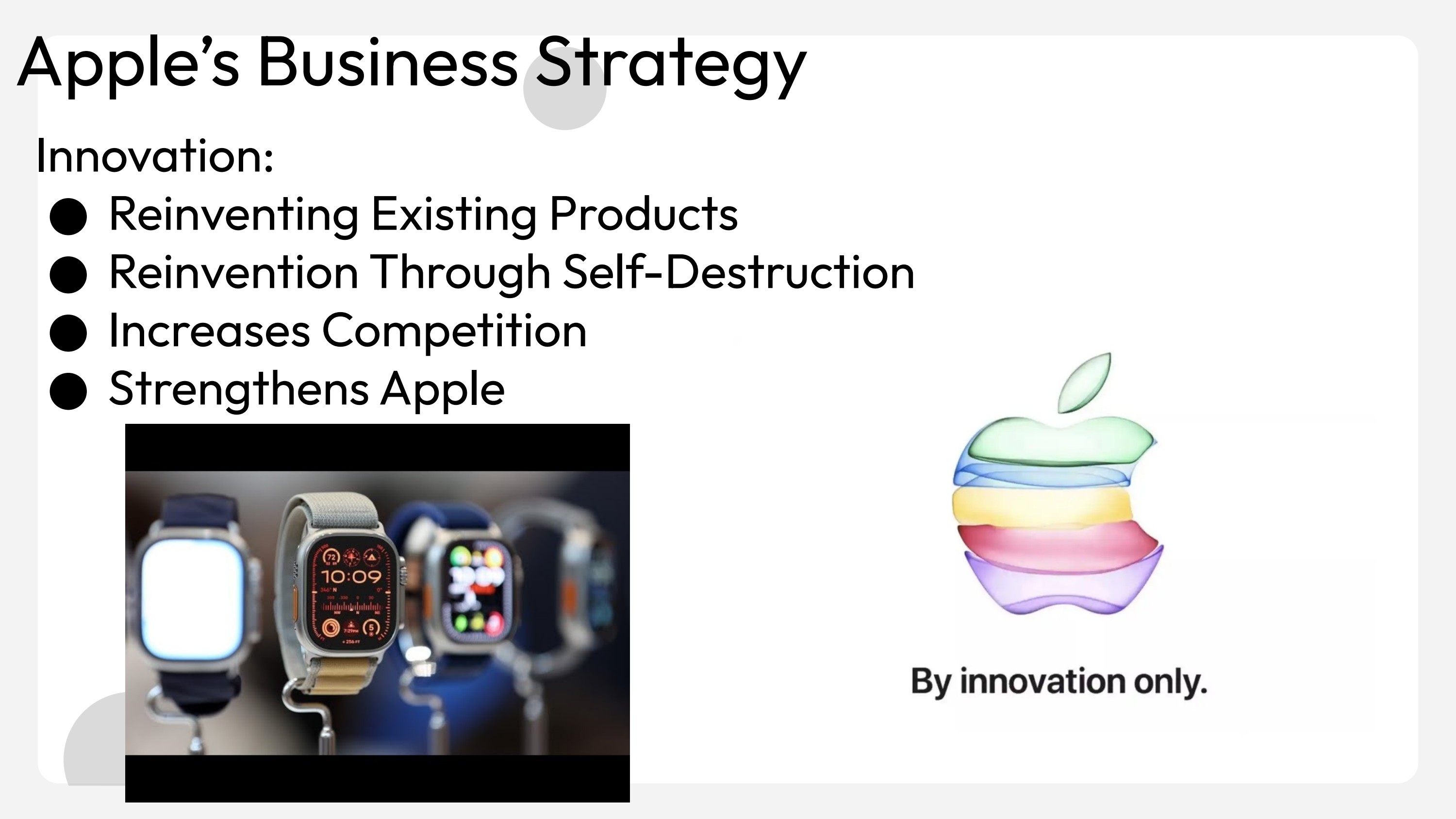
On innovation, the argument follows Steve Jobs' line that 'innovation distinguishes a leader from a follower.' Apple reinvents existing products through self-destruction — replacing its own bestsellers — which intensifies competition and ultimately strengthens the company.
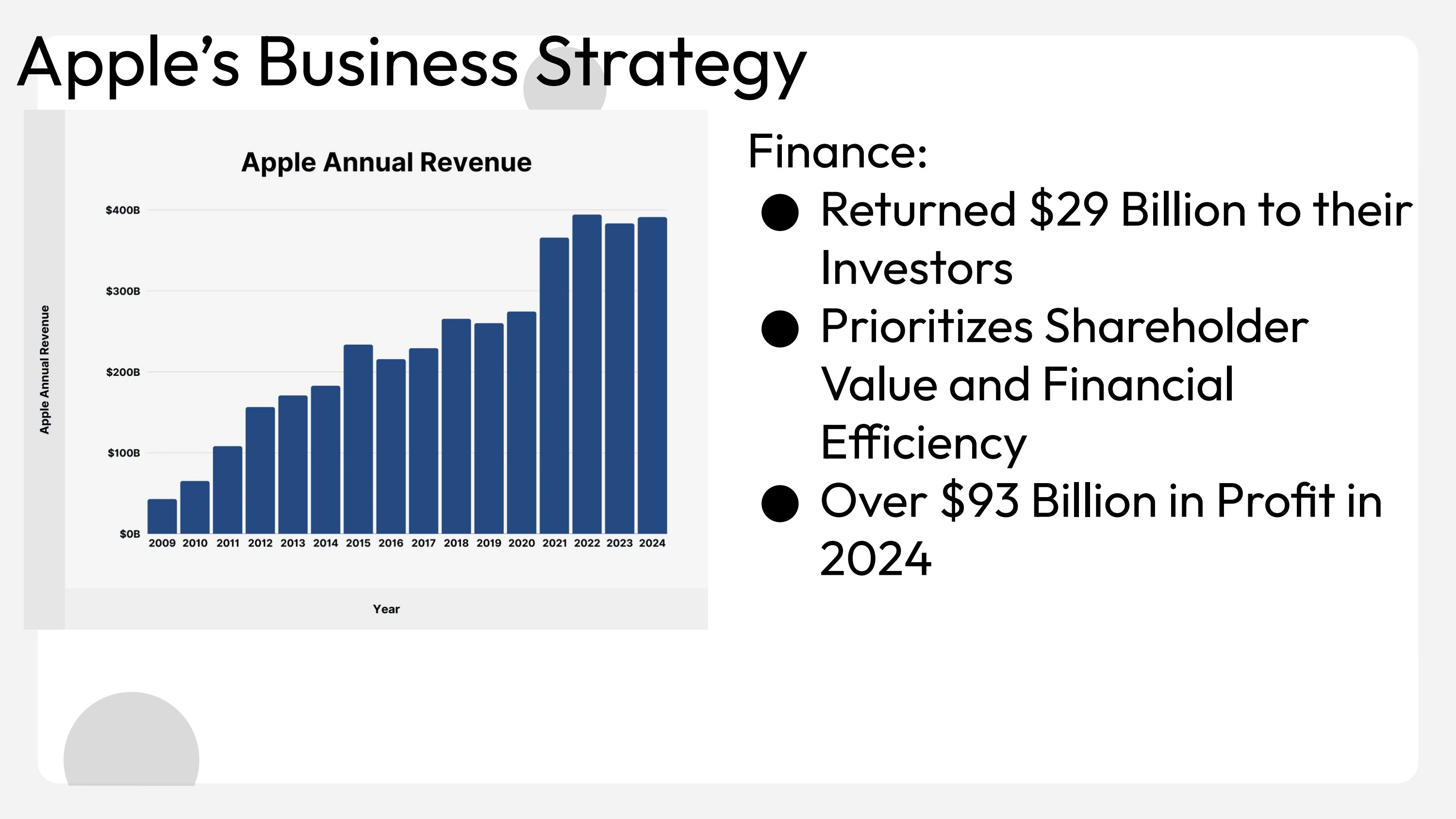
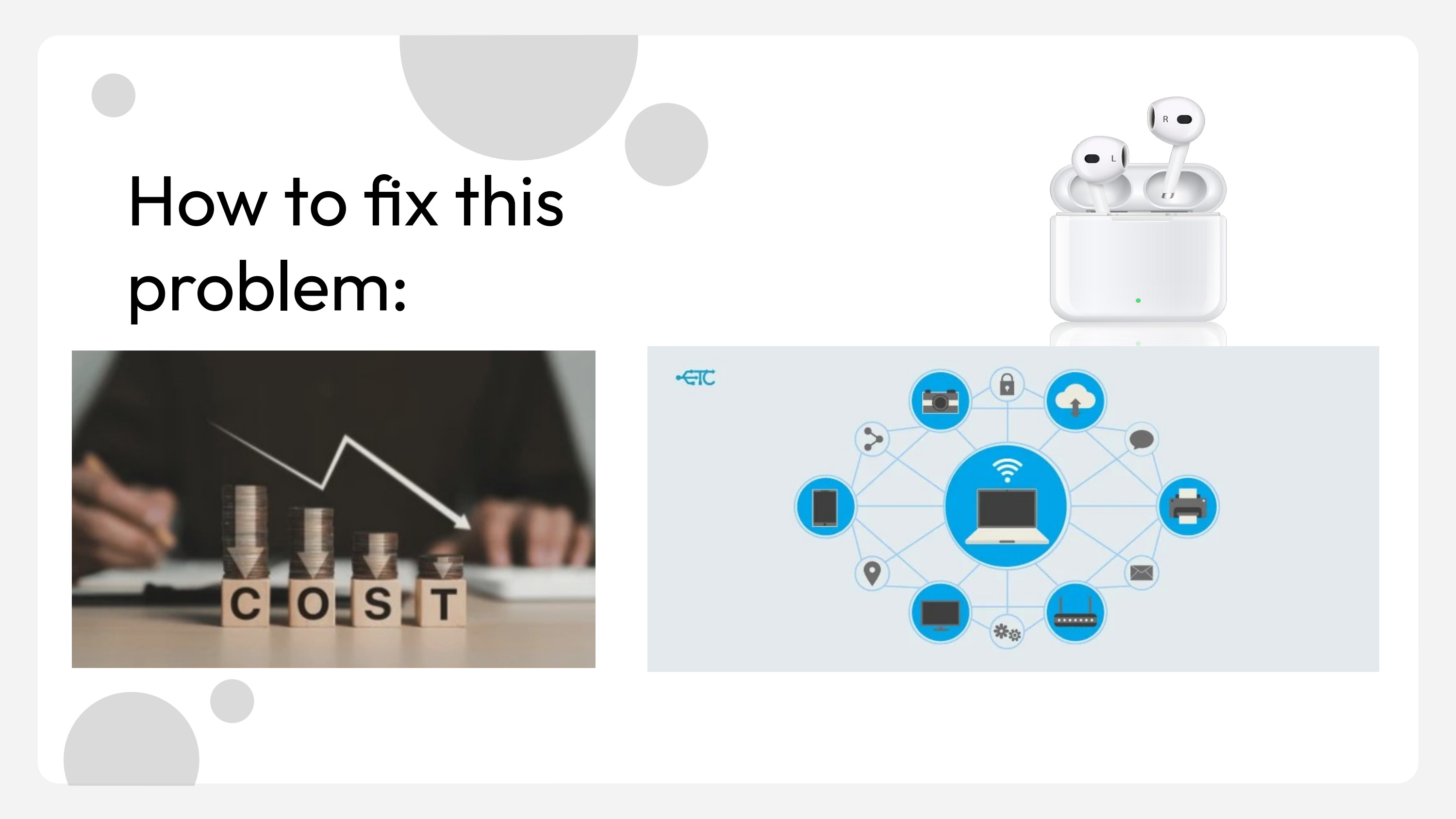
On finance, a 16-year revenue chart traces Apple's growth from ~$43B in 2009 to ~$391B in 2024, supported by $29B returned to shareholders in a single quarter and over $93B in 2024 profit. The deck closes with a flaw in the model — Apple's price premium and ecosystem lock-in — and a proposed fix grounded in cost reduction and ecosystem flexibility.